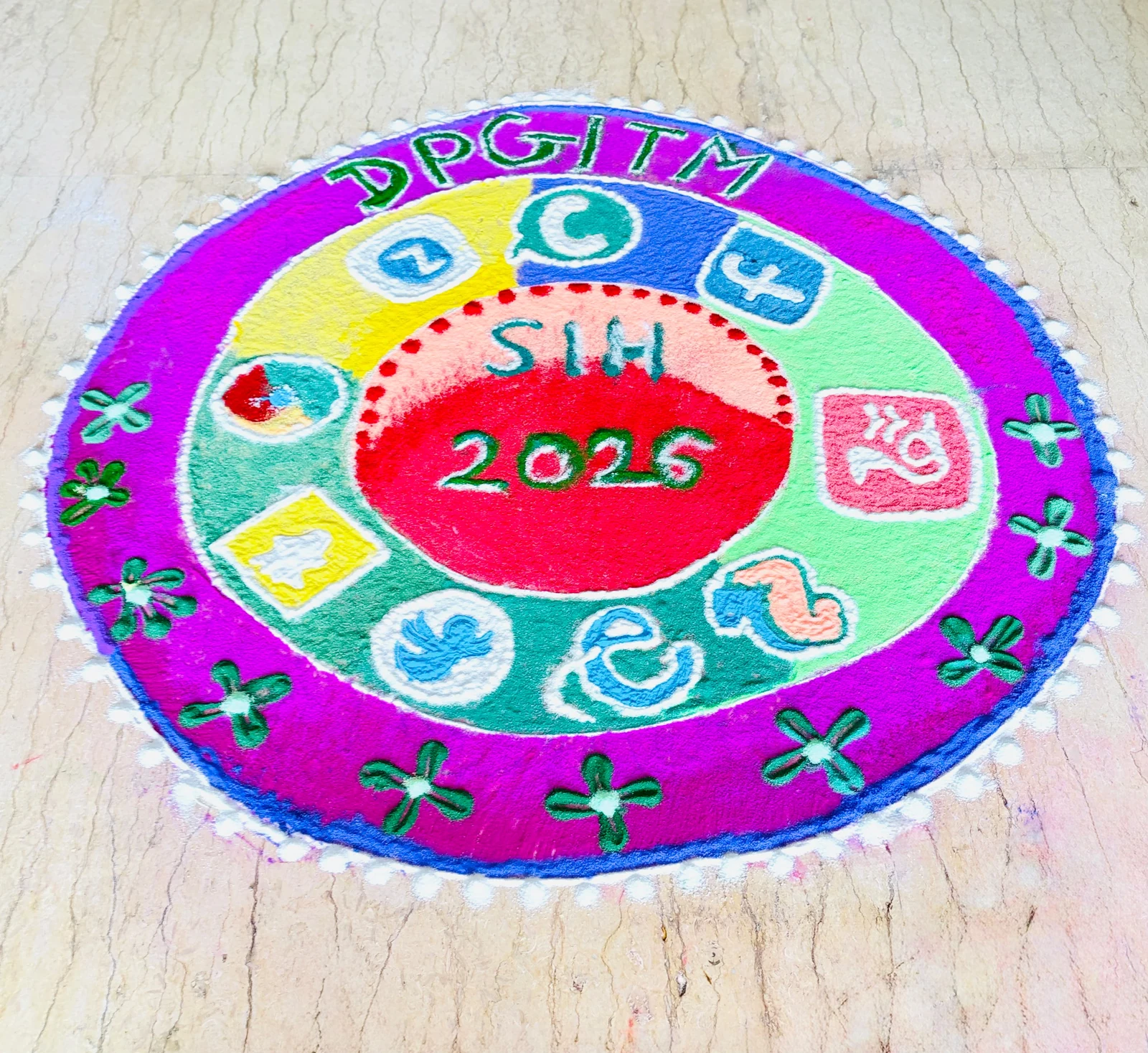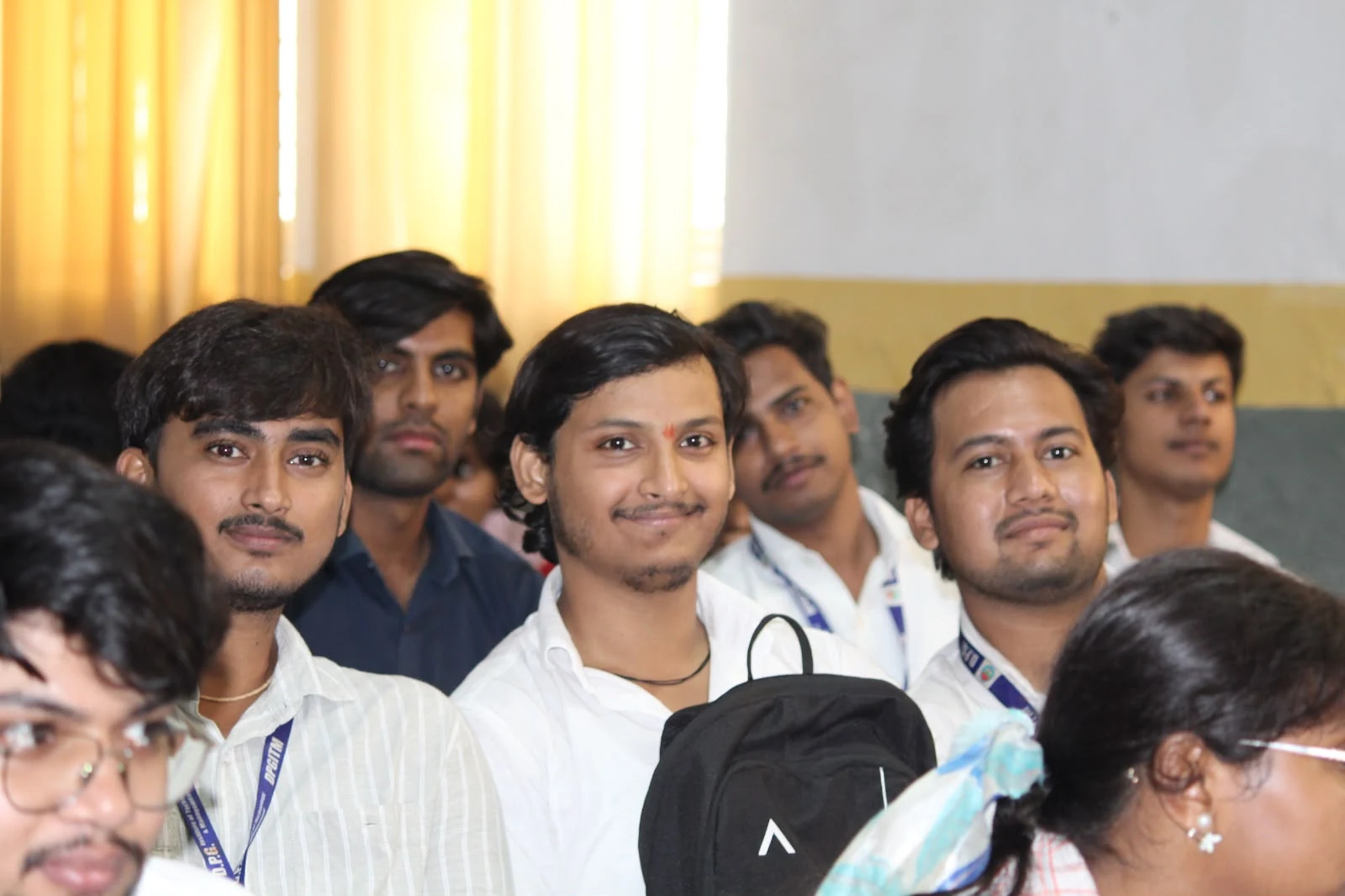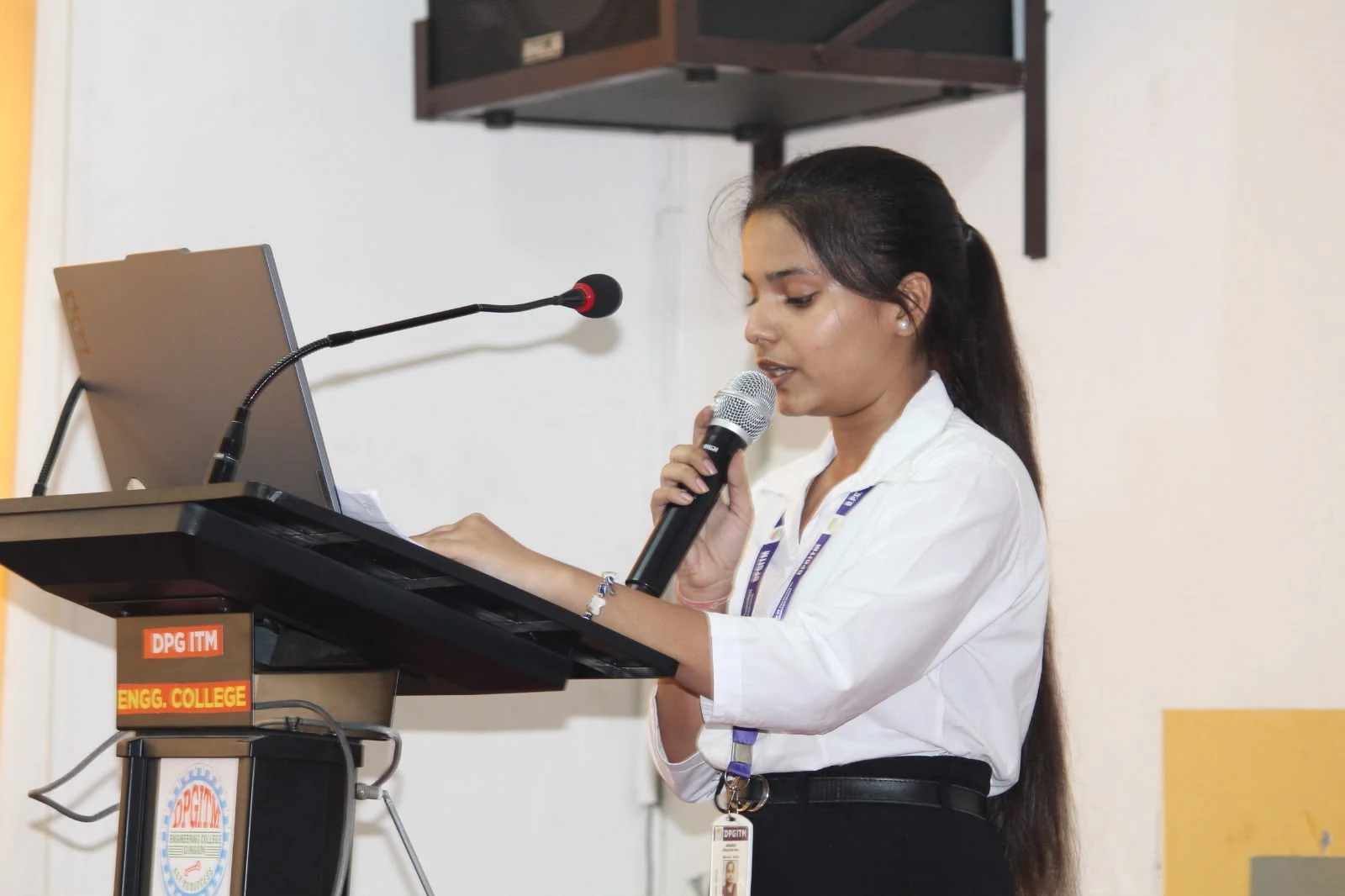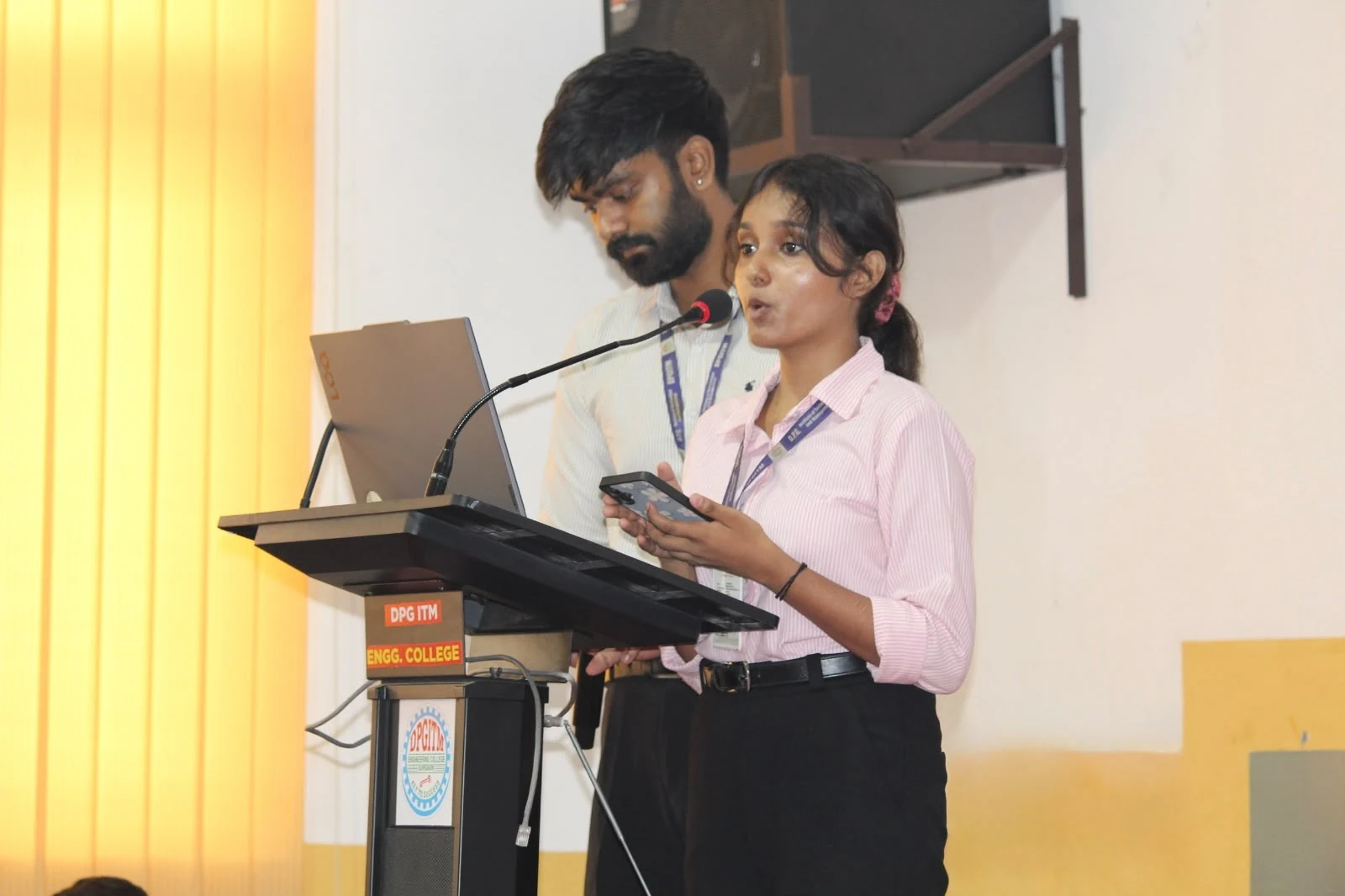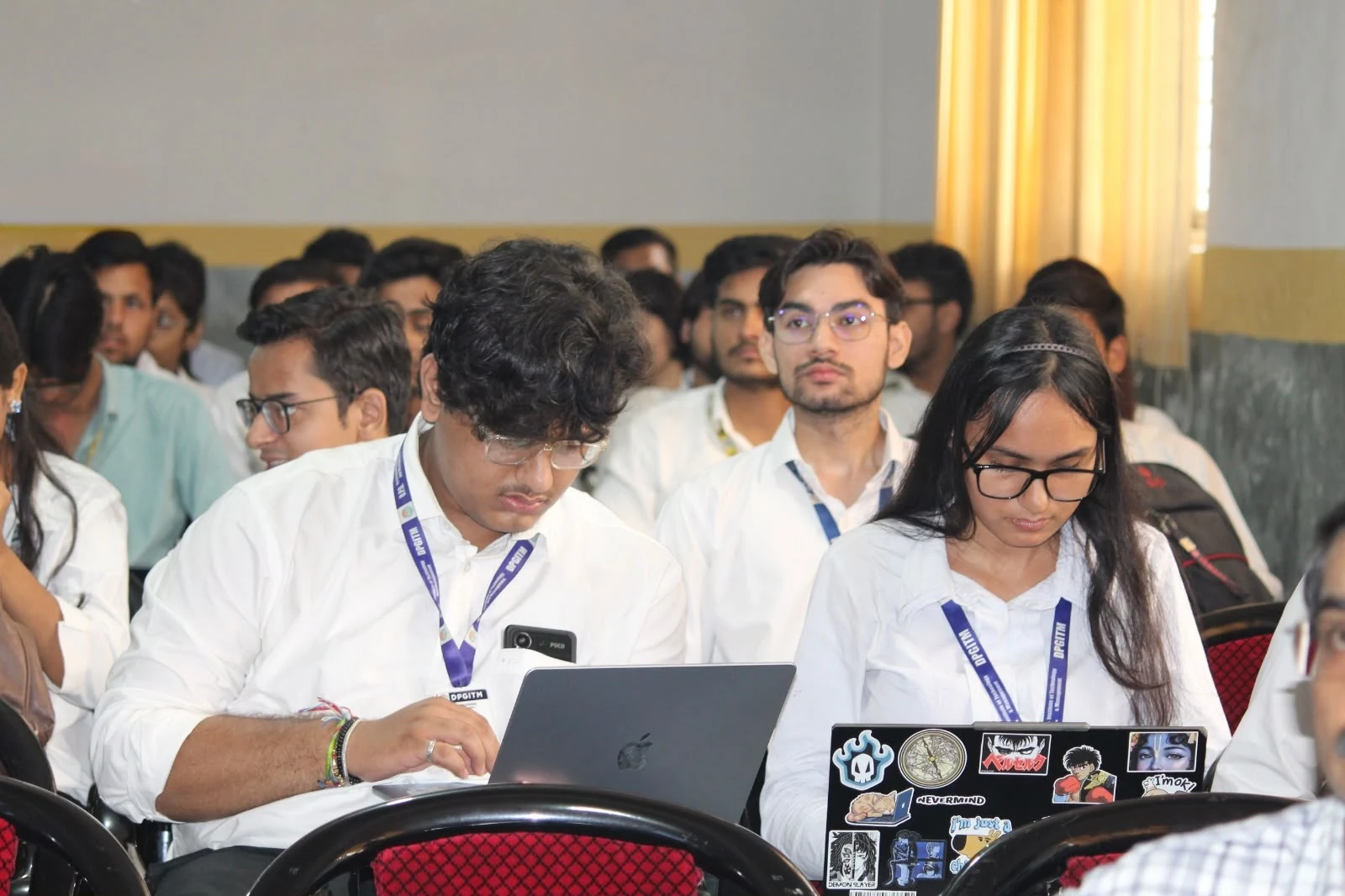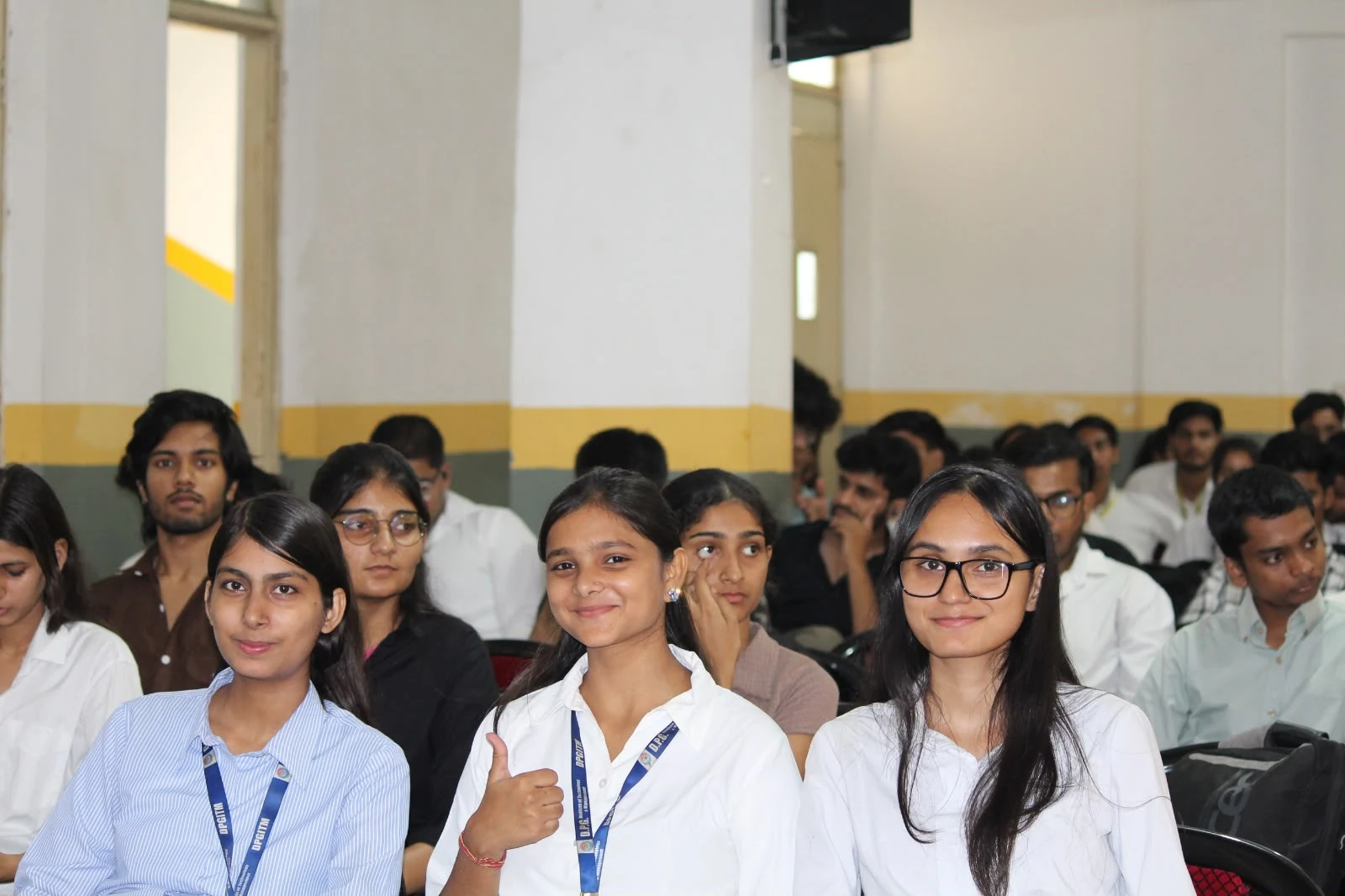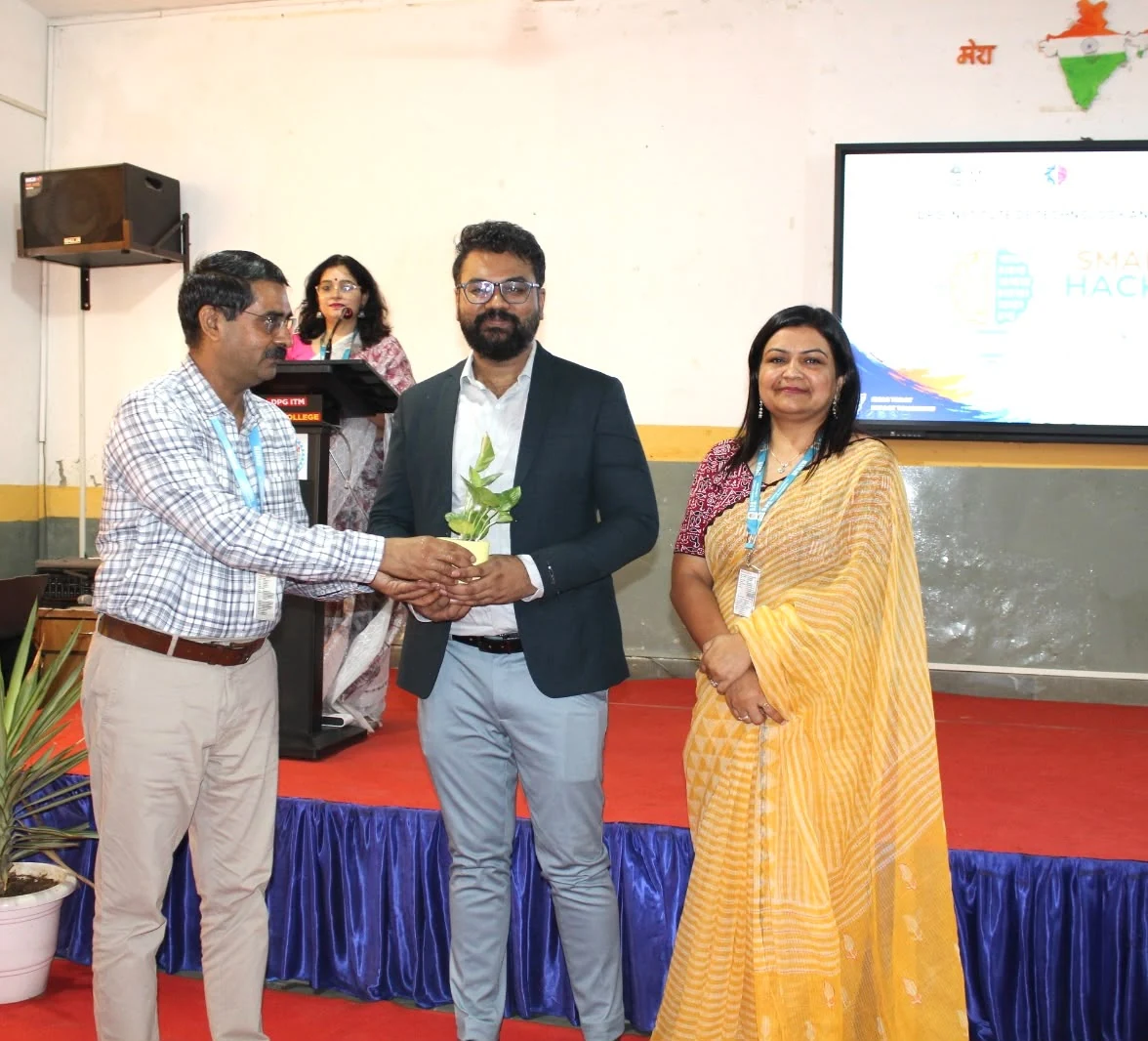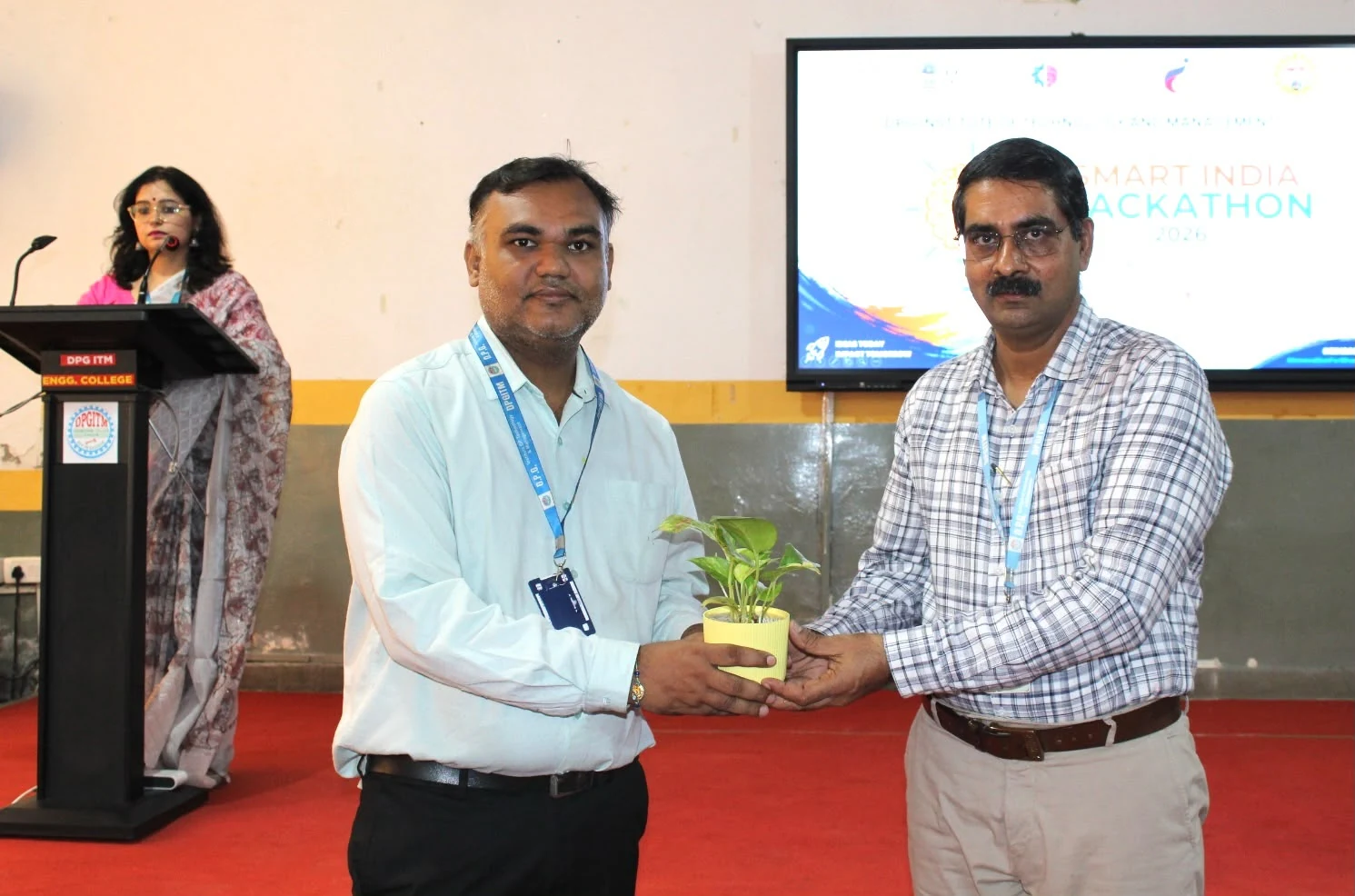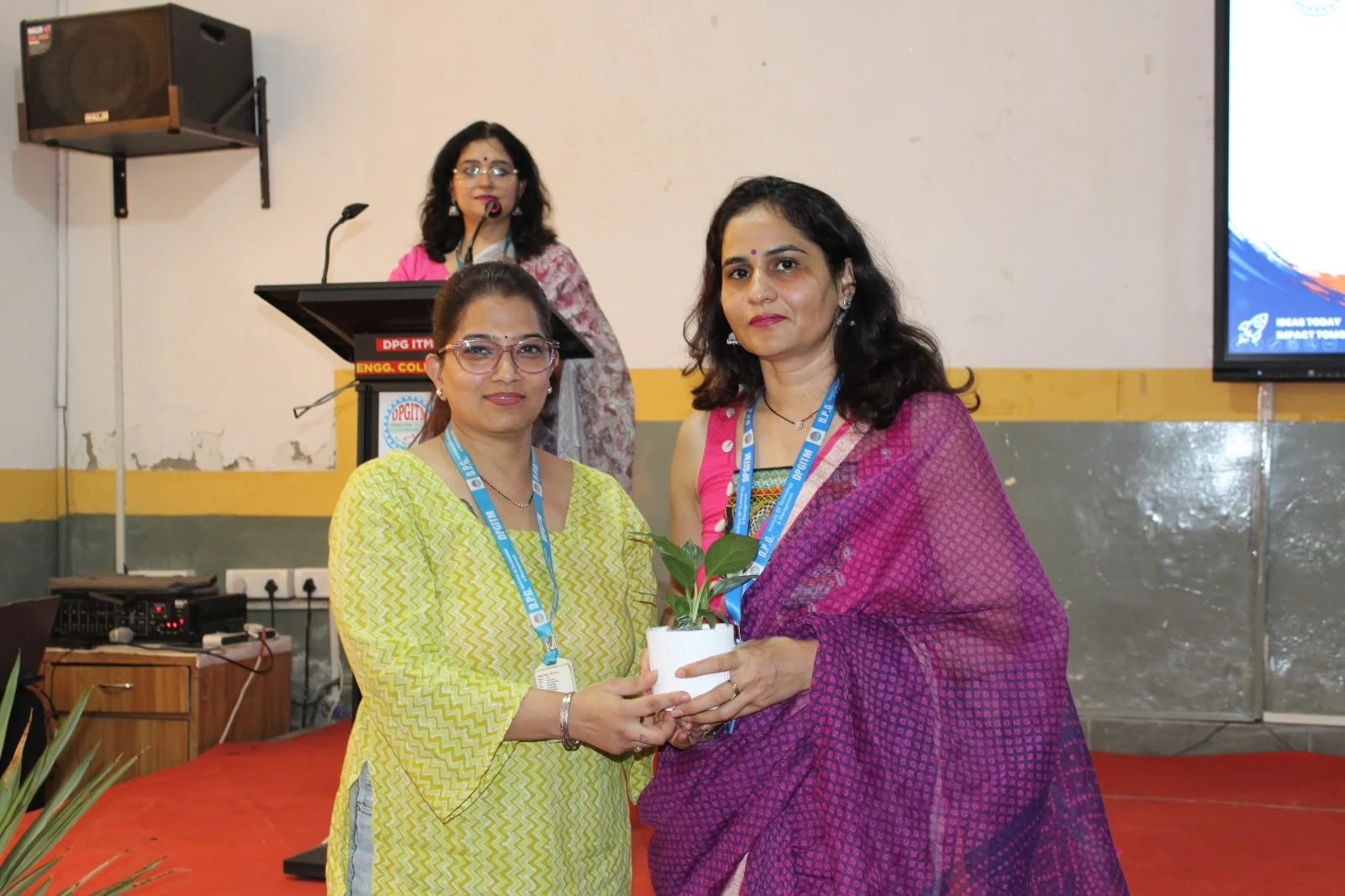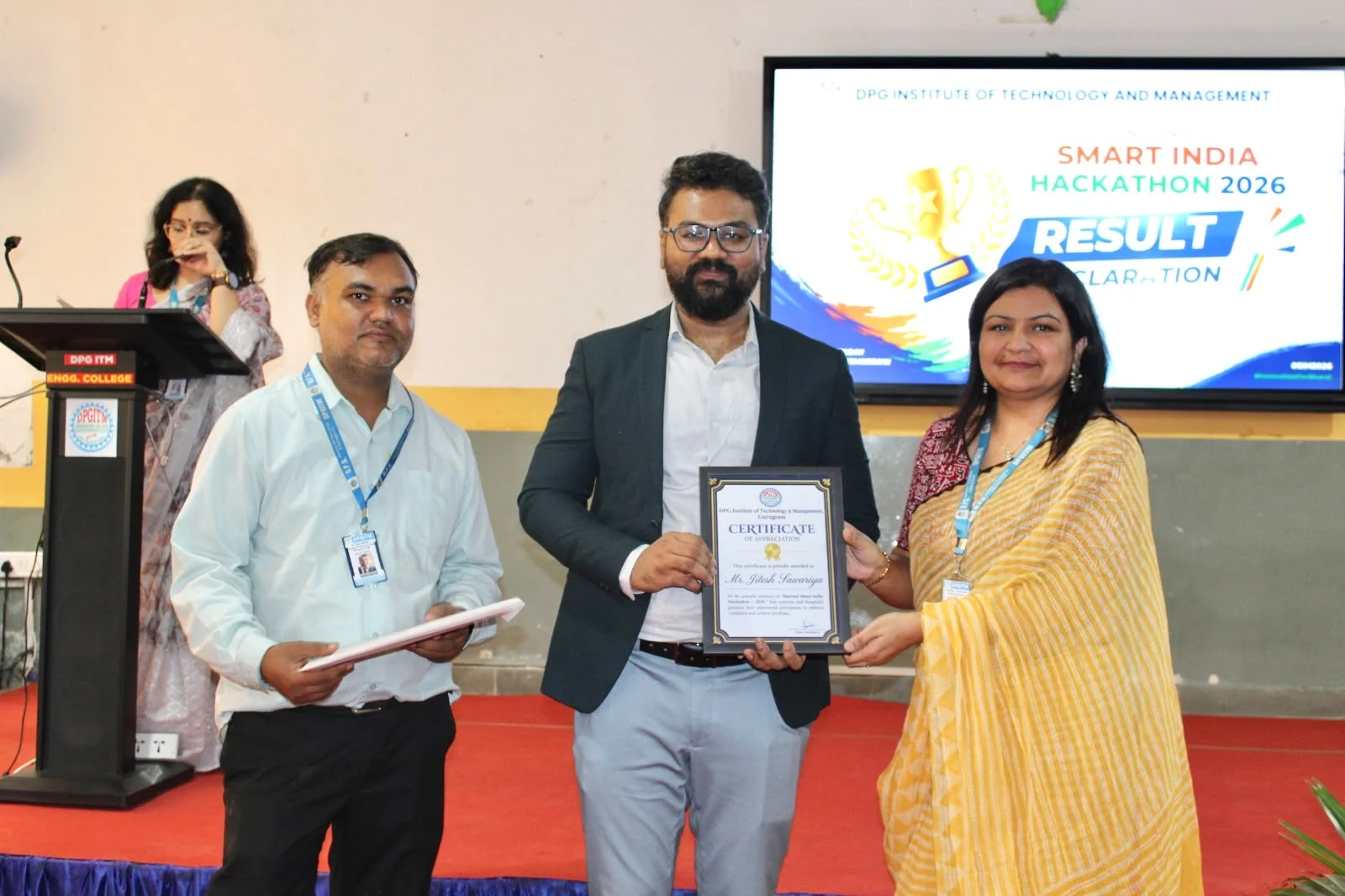
The Institution’s Innovation Council (IIC‑DPGITM) at DPG Institute of Technology and Management, Gurugram, organised the Internal Smart India Hackathon 2026 on 8 September 2026, from 10:00 AM onwards, at the Seminar Hall, Block A. Open to students from every department, the internal hackathon brought together 120 students from the DPGITM Gurugram campus to ideate and develop solutions for real-world problem statements aligned with the Smart India Hackathon themes.
The hackathon set out to give students a competitive platform for innovation: to sharpen problem-solving skills, encourage research-oriented thinking, foster teamwork, and prepare the teams for the further rounds of the Smart India Hackathon — while strengthening the culture of innovation and entrepreneurship within the institution.
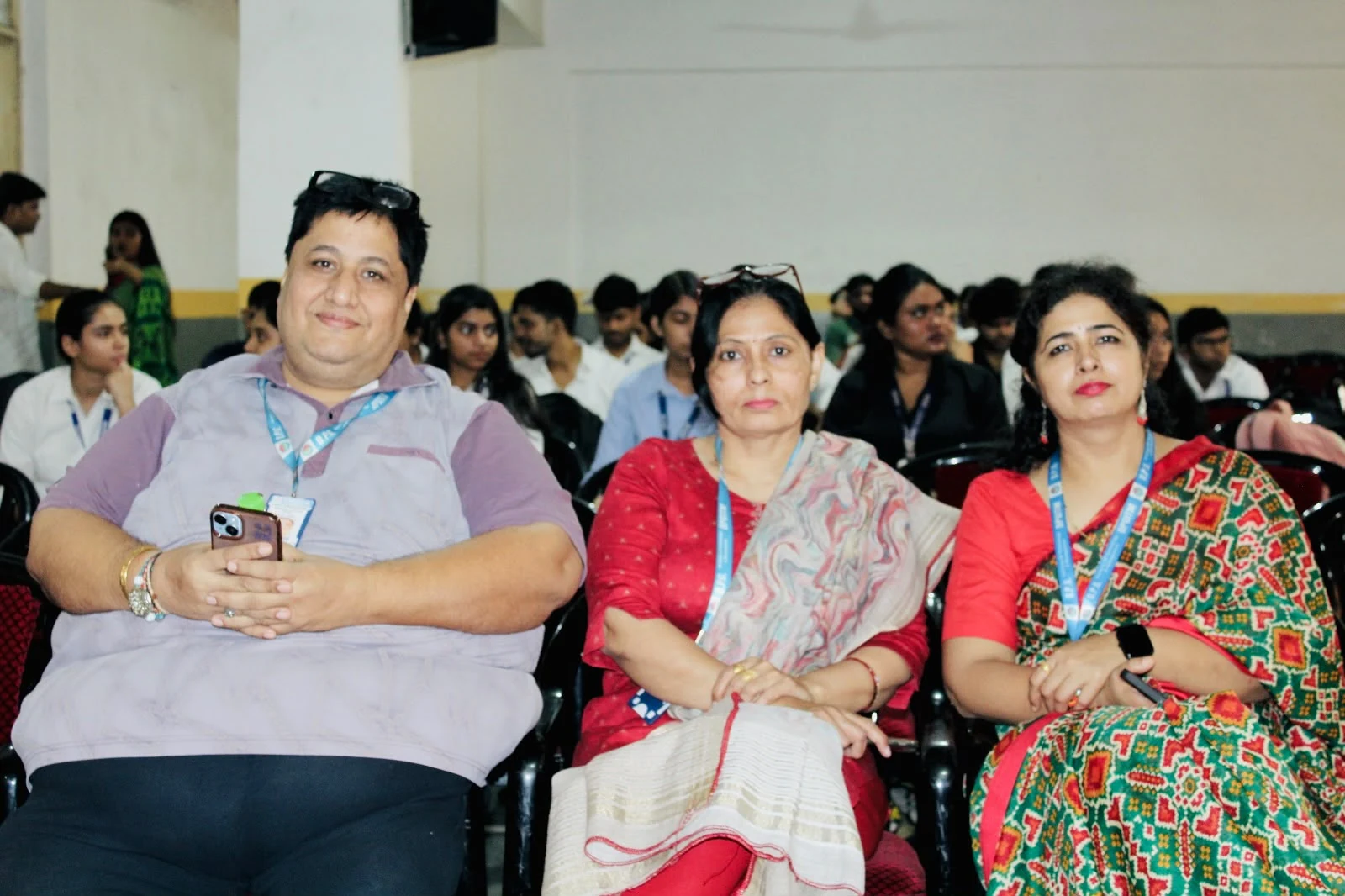
The event was graced by two distinguished judges — Mr. Gitesh Sawariya, Co-founder and Chief Product Officer, Defhawk, and Prof. (Dr.) Aman Jatain, Associate Dean & Professor, DPGITM — who evaluated every team and engaged them on the technical depth of their ideas. Dr. Poonam Sharma, Associate Professor CSE‑AIML/DS, coordinated the event as the SPoC for SIH 2026.
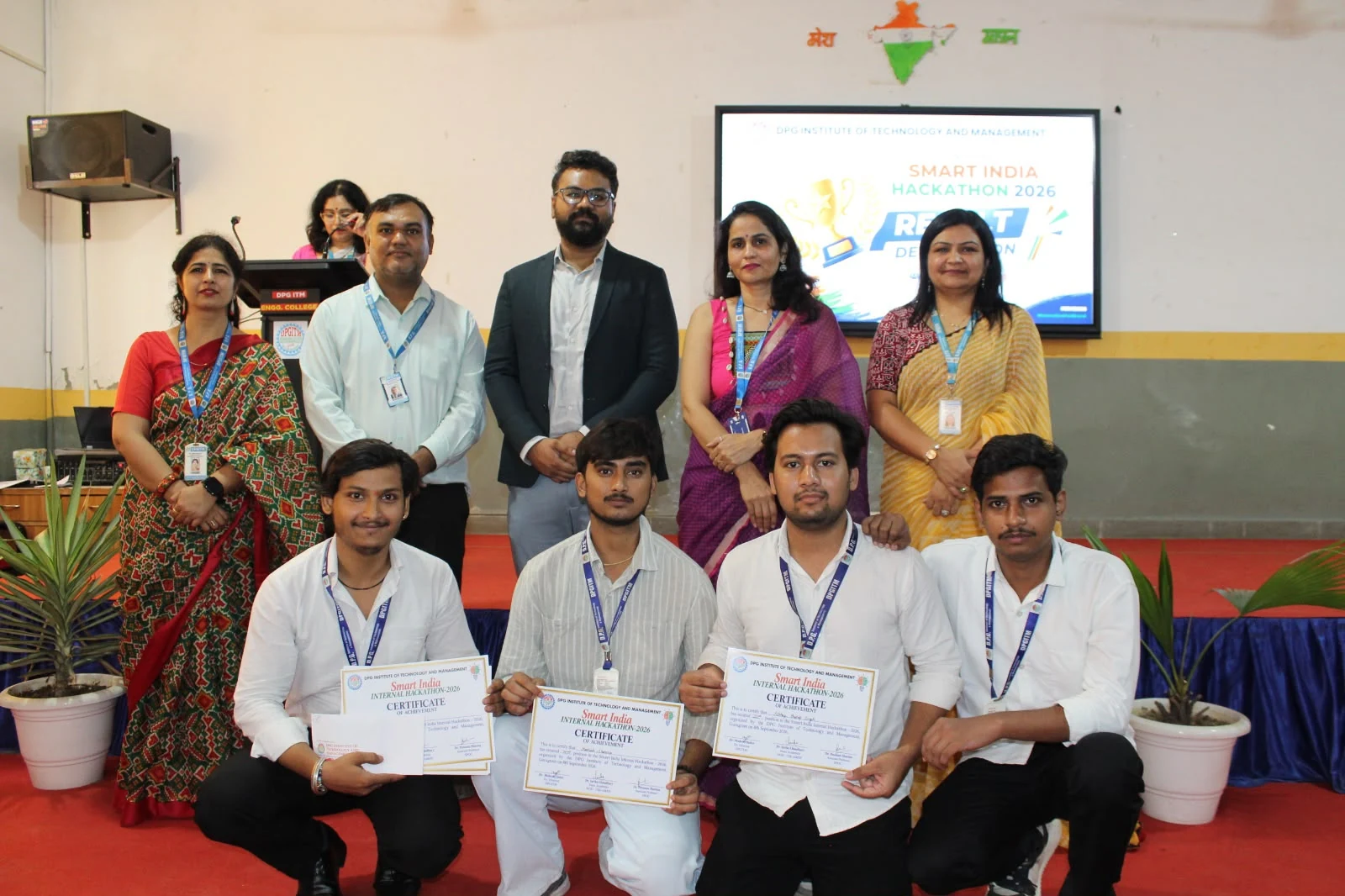
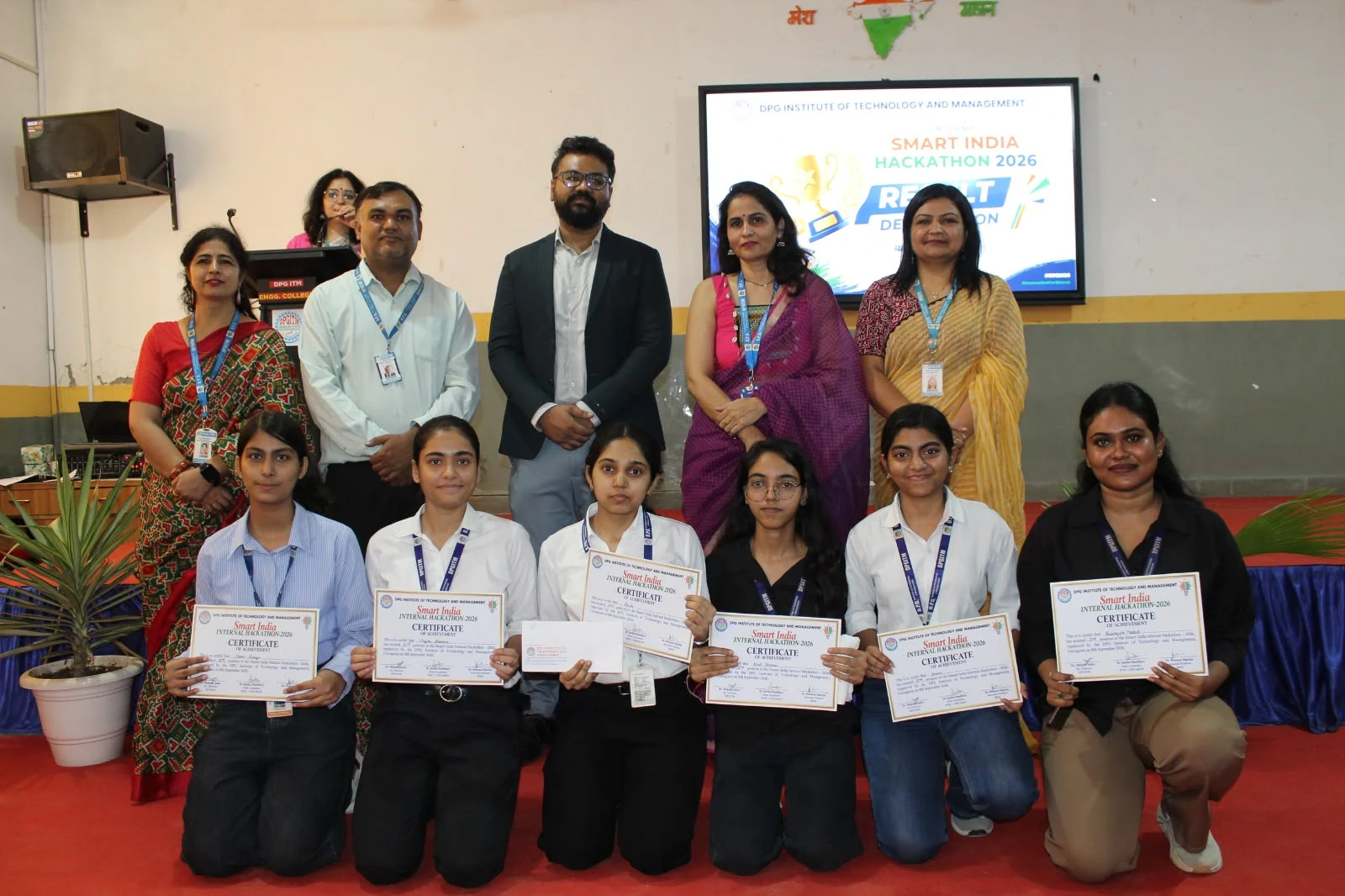
Results
- First Place — The BootLoaders
- Second Place — Team Aravalli
- Third Place — BhuDhristi AI and FasalSetu
Teams were judged on novelty, feasibility, innovation, scalability and implementation strategy. The winning teams demonstrated exceptional innovation and technical depth, and have been shortlisted for further advancement in the Smart India Hackathon selection process.
How the Day Unfolded
- Guidelines and problem statement briefing — an overview of the Smart India Hackathon themes and the available problem statements, the hackathon rules, team composition and presentation format, and an orientation on the evaluation criteria and judging process.
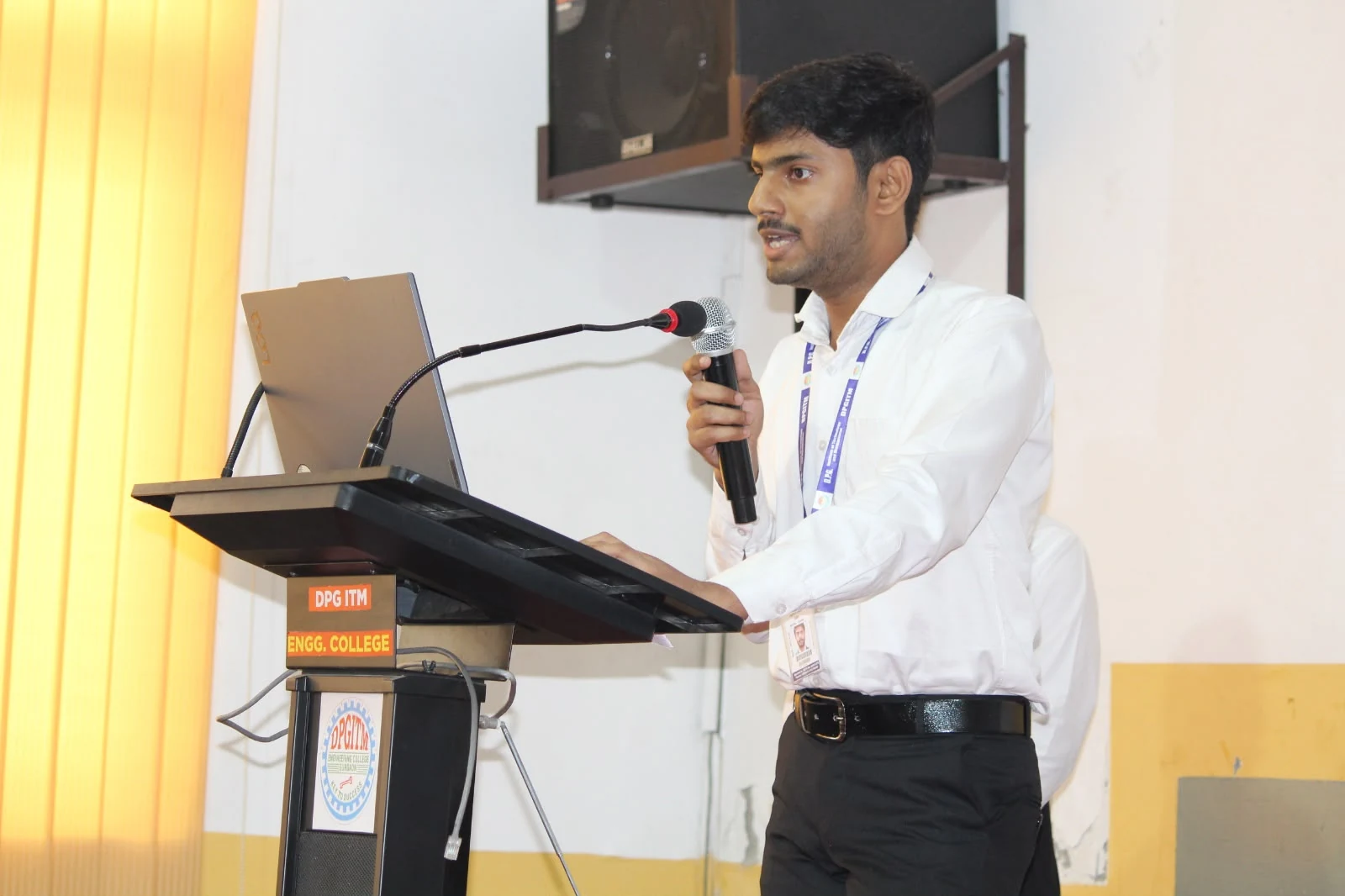
- Project presentations by the participating teams — each team presented its idea for the chosen problem statement, explaining the objectives, methodology and implementation strategy, and discussing the potential impact, feasibility and future scope of the solution.
- Expert evaluation and interaction — the judges assessed every project on novelty, feasibility and innovation, questioned the teams on their technical concepts and approach, and weighed the scalability, affordability and practical applicability of each solution.
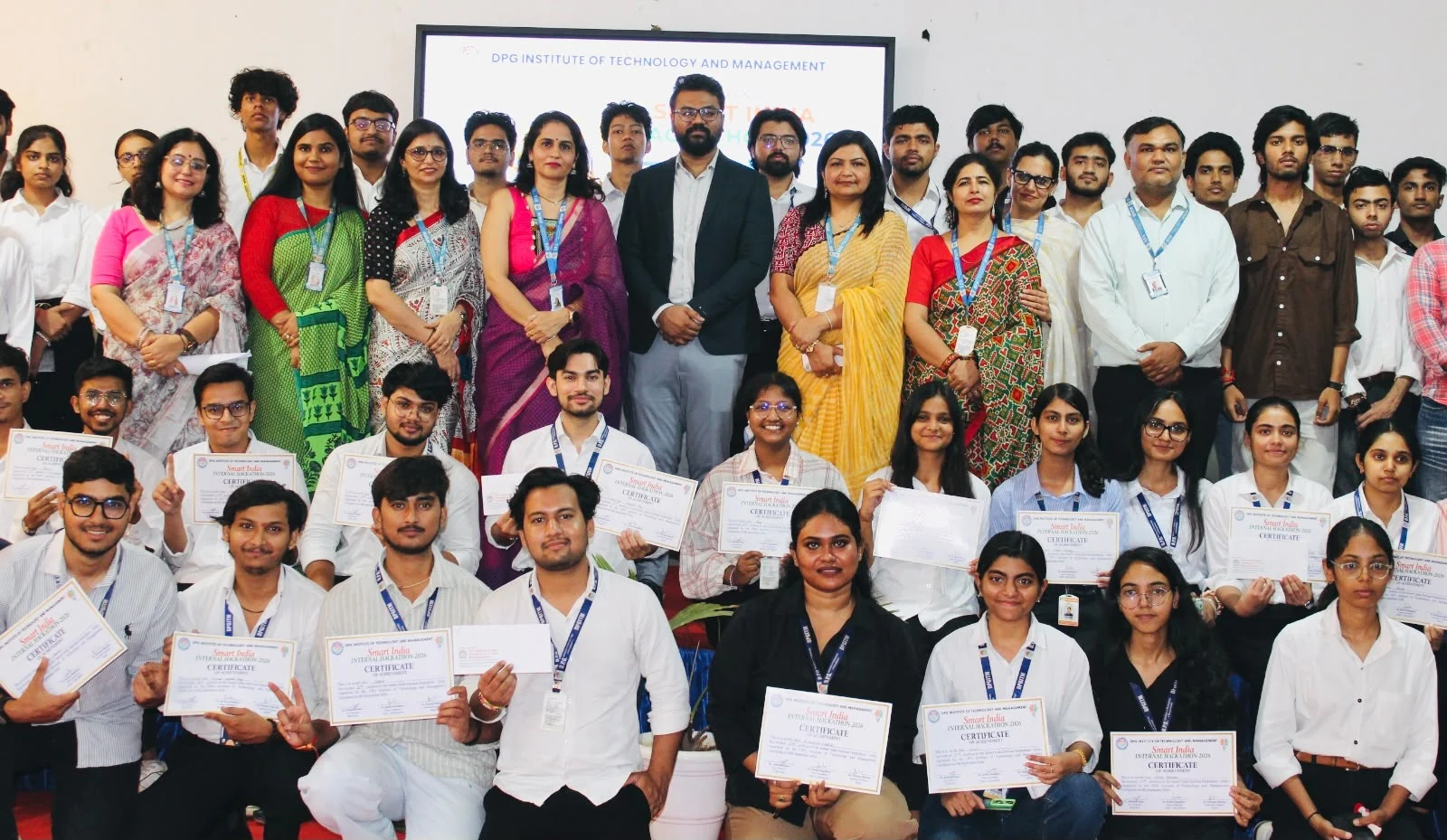
- Result declaration and closing session — announcement of the top-performing teams, recognition of the innovative ideas and of every participant, and concluding remarks encouraging students to take part in the further rounds of the Smart India Hackathon.
Outcomes
- Students demonstrated innovative and socially impactful project ideas aligned with national themes
- Participants enhanced their problem-solving, presentation and teamwork skills
- Teams received expert feedback on the novelty, feasibility and practical applicability of their proposed solutions
- The event gave students valuable exposure to both industry and academic evaluation
- Students gained clarity on translating theoretical concepts into practical, implementable solutions
- The hackathon fostered a strong culture of innovation and entrepreneurship on campus
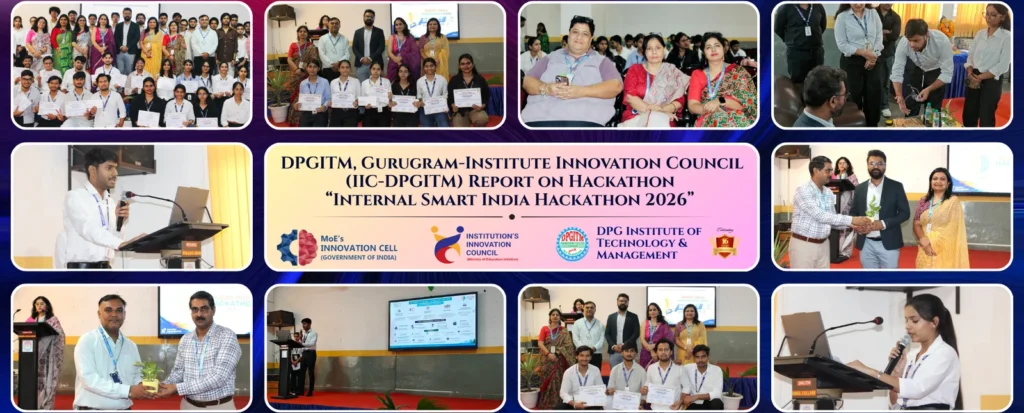
Glimpses of the Event